In our daily lives, we can create simple and powerful spaces to thrive!
Read more: Creating Safe and Nurturing Spaces: A Key to Nervous System RegulationIn our fast-paced and often chaotic world, the importance of creating safe and nurturing spaces cannot be overstated. These environments play a crucial role in our overall well-being, particularly in regulating our nervous system. The nervous system is highly responsive to our surroundings and when we cultivate spaces that feel safe and nurturing, we provide ourselves with the opportunity to rest, recharge, and function optimally. Here are three essential tips for creating such spaces and how they help with nervous system regulation.
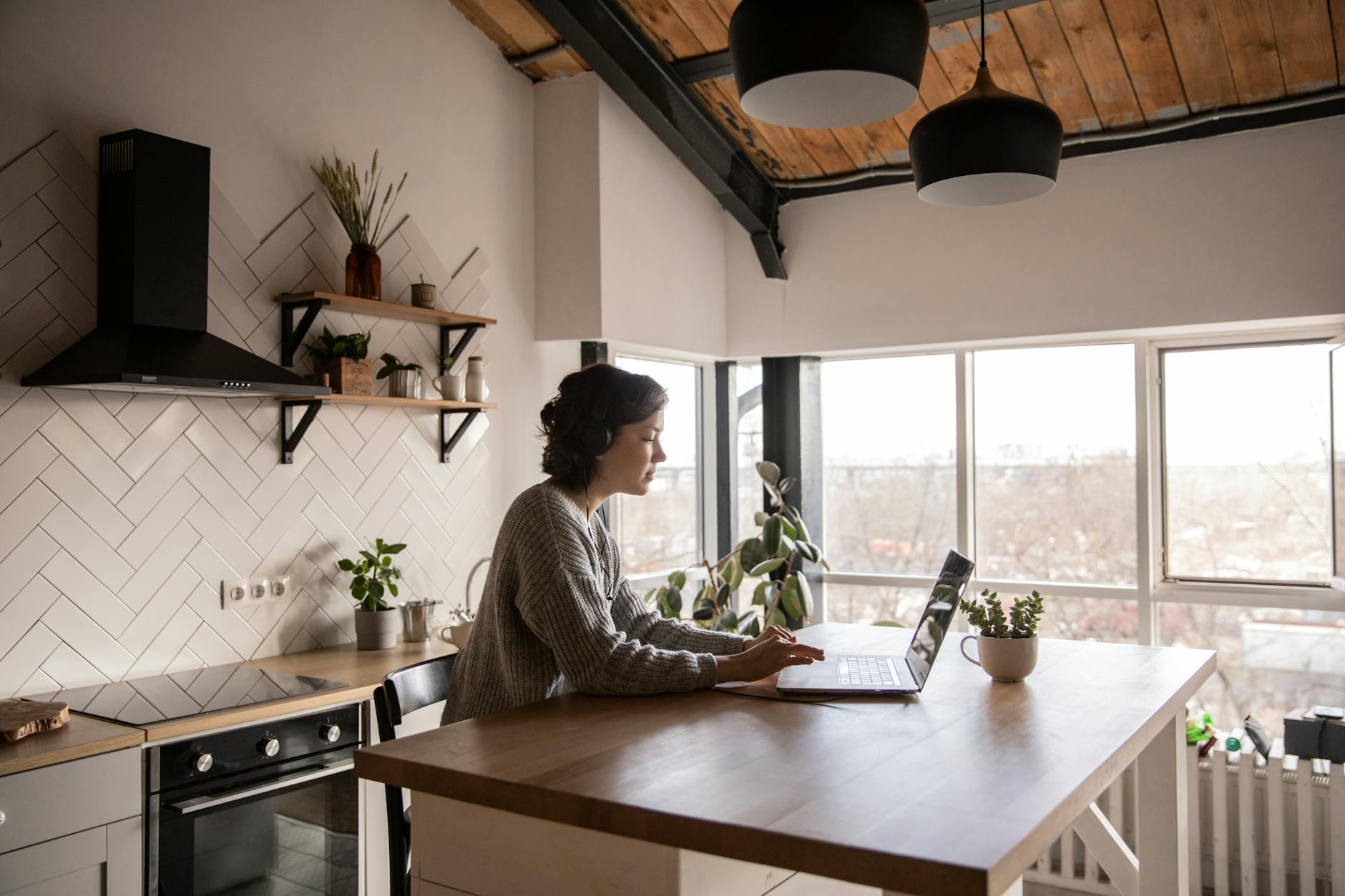
1. Incorporate Calming Elements
One of the most effective ways to create a safe and nurturing space is by incorporating elements that promote calmness and tranquillity. This can include:
- Natural Light: Maximize natural light in your living spaces. Sunlight helps regulate the body’s circadian rhythms and boosts mood.
- Soothing Colors: Use soft, neutral colors such as blues, greens, and earth tones. These colors are known to have a calming effect on the mind and body.
- Nature Elements: Integrate plants and natural materials like wood and stone into your environment. Nature elements can reduce stress and promote a sense of peace.
How It Helps: Calming elements can significantly reduce the activation of the sympathetic nervous system, which is responsible for the fight-or-flight response. By creating a serene environment, you encourage the activation of the parasympathetic nervous system, which promotes relaxation and recovery.
2. Establish Clear Boundaries
Creating safe spaces also involves establishing clear boundaries to protect your mental and emotional well-being. This can be achieved by:
- Dedicated Areas: Designate specific areas for different activities (e.g., work, relaxation, and sleep). This helps your brain associate each space with its intended purpose, reducing stress and enhancing focus.
- Personal Time: Schedule regular personal time where you can engage in activities that bring you joy and relaxation without interruptions.
- Limit Technology: Set boundaries for technology use, especially in spaces meant for relaxation and sleep. Blue light from screens can interfere with sleep patterns and increase stress.
How It Helps: Clear boundaries help the nervous system differentiate between times of stress and relaxation. When the brain knows it’s time to unwind, it can shift more easily into a state of rest, aiding in the overall regulation of the nervous system.
3. Foster Positive Connections
Human connections play a vital role in creating nurturing environments. Foster positive relationships by:
- Quality Time: Spend quality time with loved ones in a relaxed and positive atmosphere. Shared experiences can strengthen bonds and provide emotional support.
- Open Communication: Encourage open and honest communication. Feeling heard and understood can significantly reduce stress and foster a sense of safety.
- Support Networks: Build a network of supportive friends, family, and community members. Knowing you have a reliable support system can alleviate feelings of anxiety and isolation.
How It Helps: Positive social interactions stimulate the release of oxytocin, a hormone that promotes feelings of trust and security. This, in turn, helps regulate the nervous system by reducing cortisol levels, which are associated with stress.
Creating safe and nurturing spaces in our daily lives is not just about comfort; it’s a vital aspect of maintaining a healthy nervous system. By incorporating calming elements, establishing clear boundaries, and fostering positive connections, we can create environments that support our mental and emotional well-being. These practices help to balance the nervous system, promoting relaxation, reducing stress, and enhancing overall quality of life. Taking the time to cultivate such spaces is an investment in our health and happiness, allowing us to navigate life with greater resilience and peace.
Discover more from YOGA FOR EMPATHS & HSPs
Subscribe to get the latest posts sent to your email.

 YOGA FOR EMPATHS & HSPs